The Agent Dashboard: How Parallel Execution Changes Work Architecture
Claude Code now supports multi-agent parallel execution with a unified dashboard view. Four agents running simultaneously without context switching, fundamentally changing capacity planning from sequential bottlenecks…
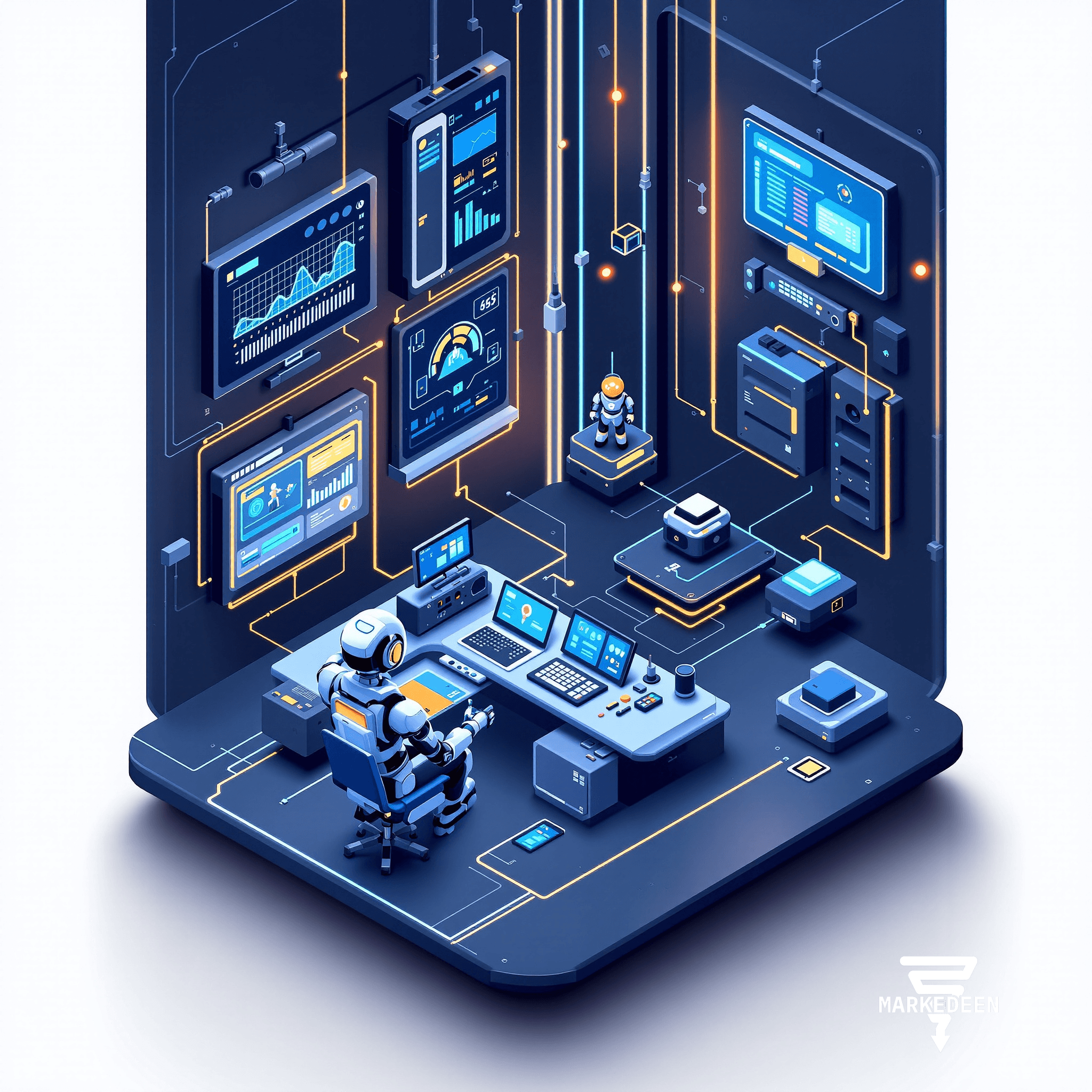
Claude Code now supports multi-agent parallel execution with a unified dashboard view, four agents running simultaneously on different tasks (morning planning, research, pulse checks, visualization) without context switching. Each agent has access to the same skills, context, and business knowledge. The dashboard shows status, allows drilling into sessions, and surfaces what needs human input. This fundamentally changes capacity planning: instead of sequential task completion, you're orchestrating parallel workflows.
For agencies and internal ops teams, this means collapsing timelines from days to hours and removing the bottleneck of waiting for the next thing to finish.
What Makes Parallel Agent Execution Different?
The shift isn't just speed. It's a different mental model for work architecture. Traditional automation, even agentic automation, typically means: ask for task A, wait for completion, ask for task B. Sequential by default. You're still bound by the "one thing at a time" constraint.
Parallel execution breaks that. You can spin up four agents in separate sessions (one running your morning planning workflow, another scraping and analyzing YouTube comments, a third doing a pulse check across project management tools, a fourth generating a visualization) and all four run concurrently. No context switching. No waiting. Each agent operates independently but draws from the same underlying skill library, API credentials, and business context you've already configured.
The dashboard consolidates all active sessions into a single pane: see status at a glance (running, done, needs input), drill into any session, surface what requires human review, then return to the overview.
How This Changes Capacity Planning
When you move from sequential to parallel, capacity planning stops being about *time per task* and starts being about *orchestration*. The old mental model: "This research task takes 30 minutes, then the report write-up takes 20, then the follow-up email takes 10. That's an hour total." The new model: "Kick off all three simultaneously; the research finishes first, feeds context to the report agent mid-stream, and the email agent can draft in parallel using a shared knowledge base. Total elapsed time: 35 minutes, because the longest pole is the research, and everything else happens alongside it."
This is especially powerful for agencies managing multiple clients or internal ops teams running daily operational rhythms. Morning standup prep used to mean manually checking project boards, reviewing calendar conflicts, pulling yesterday's metrics, drafting the day's priorities, serial tasks that could easily burn 45 minutes. Now: one agent does the project board scan, another pulls calendar data, a third aggregates metrics, a fourth drafts the priority list. All four run in parallel. Elapsed time: however long the slowest single task takes, typically under 10 minutes.
The unlock isn't just that each task is faster. It's that *waiting* disappears.
What This Requires to Work Well
Parallel execution doesn't mean "spin up a dozen agents and hope for the best." It requires upfront investment in shared infrastructure, specifically, skills and context architecture.
Each agent in a parallel workflow needs access to the same skill library. If your morning planning agent has a "scan ClickUp and pull high-priority tasks" skill, and your pulse-check agent needs that same capability, they should both invoke the same reusable skill, not two different ad-hoc prompts that drift over time. This is why skill-building becomes foundational: you're not just automating one task, you're building a toolkit that multiple agents can draw from simultaneously.
Context architecture matters even more. If four agents are running in parallel, they need access to the same business knowledge, your client list, your brand voice, your project taxonomy, your API credentials. This is where the `.claude` folder structure and a well-maintained knowledge base pay off. Agents don't share a live session (they're independent), but they do share a common context layer. If that layer is thin or inconsistent, you'll get divergent outputs that require manual reconciliation, which defeats the point.
When Parallel Execution Isn't the Answer
Not every workflow benefits from parallelization. If task B genuinely *depends* on the output of task A (not just conceptually, but in a hard "I need the exact data from A to proceed" sense) then parallel execution doesn't help.
The sweet spot is workflows where tasks are *thematically related but operationally independent*. Morning planning fits: checking your calendar, scanning your task board, reviewing yesterday's metrics, and drafting today's priorities are all related to "what should I do today," but they don't depend on each other's outputs. They can run concurrently, and you synthesize the results at the end.
Another pattern: research + content generation. One agent scrapes competitor sites, another pulls internal case studies, a third analyzes sentiment in community feedback. All three are gathering inputs for a content brief, but they're not waiting on each other.
---
If you're running operational workflows where the bottleneck is "waiting for the next thing" (agencies juggling multiple clients, ops teams managing daily rhythms, research-heavy processes) parallel agent execution is worth experimenting with. The upfront cost is building a shared skill library and context layer, but once that's in place, the dashboard gives you a genuinely different way to structure work. We'd be happy to talk through what that looks like for your specific setup, [reach out](https://markedeen.com/contact) and we'll map it out.
More on AI Agents
Want a system like this in your business?
We build the automation behind everything you just read.