When AI Checks AI: How Multi-Agent Systems Solve the Hallucination Problem
Multi-agent AI systems solve hallucinations not by preventing errors but by catching and correcting them automatically before human review. One agent generates content while another verifies it against source material.
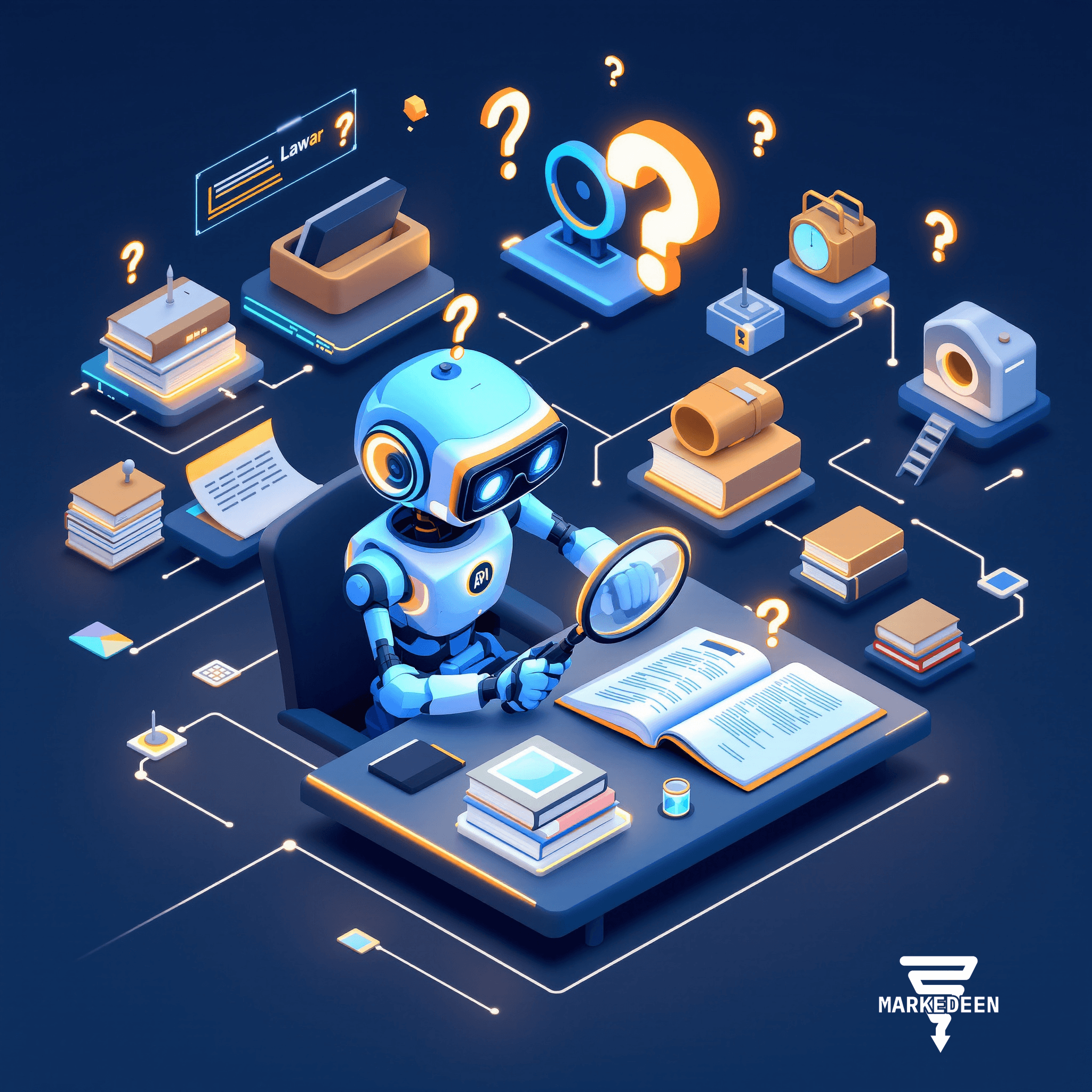
Multi-agent AI systems solve hallucinations not by preventing errors but by catching and correcting them automatically before human review. One agent generates content while another verifies it against source material, turning what was once a critical failure mode into a self-correcting workflow that produces better results faster than single-agent work with constant human supervision.
Why even experts miss AI-generated errors
Sullivan & Cromwell recently filed an emergency motion in a Chapter 15 bankruptcy case containing dozens of fabricated or misquoted citations. The partner who signed off co-heads the firm's restructuring practice. The motion looked professionally formatted. The citation structure was correct. The details were simply pointing at the wrong sources, and multiple reviewers missed it before filing.
This is the hallucination problem that matters in 2025: not obviously garbled output from crude prompts, but structurally plausible fabrications embedded in otherwise legitimate work. The model generates citations that look right, formatting that matches professional standards, and confident language throughout. Human reviewers, even domain experts, become bottlenecks who still miss errors because verification at scale is cognitively exhausting.
Why telling models "don't hallucinate" doesn't work
You cannot prompt a language model out of hallucinating any more than you can tell autocomplete not to autocomplete. There is no separate truth-checking pass inside the model that instructions can activate. The model predicts plausible next tokens based on patterns in training data. When it lacks information, it predicts what typically comes next in similar contexts, which often means generating fictional but realistic-sounding details.
The fix isn't a sharper prompt. It's an architectural change in how work gets structured and verified.
How multi-agent systems flip the verification workflow
Models that can operate on file systems (reading folders, opening documents, comparing metadata across multiple files) enable a fundamentally different approach. Instead of one agent doing everything while a human tries to spot-check output, you can structure workflows where generation and verification are separate, automated steps.
In one recent implementation, a multi-agent system rebuilt an author website: smaller models handled discrete tasks like content generation and layout, while a more capable model supervised their output. The verification agent walks the folder tree, opens source files, and compares generated content against the actual source material. When one agent hallucinated content attribution, fabricating words attributed to the site owner, the verification agent caught it automatically by comparing the generated text to the original source documents, flagged the discrepancy, and triggered a correction before any human reviewed the work.
The verification step isn't sophisticated pattern matching. It's systematic file comparison: the supervising agent opens the source file, opens the generated output, and checks whether claims in the output actually appear in the source. When they don't match, it flags the error and routes it back for regeneration. The hallucination still happened. But it became structurally irrelevant because the system architecture made catching it automatic rather than dependent on human vigilance.
What this makes possible operationally
The shift isn't about trusting AI more. It's about designing systems where trust isn't required at the individual output level. When verification is automated and systematic rather than manual and selective, organizations can deploy AI for work that previously seemed too risky:
Legal research and document review can scale without proportionally scaling attorney review hours, because automated verification catches fabricated precedents or misquoted statutes before they reach human eyes.
Technical documentation can be generated from code repositories and internal wikis with automated fact-checking against the actual source files, flagging discrepancies for human resolution only when verification fails.
Content production workflows can generate hundreds of pieces while verification agents check claims against approved source material, creating a pipeline where human review focuses only on flagged items rather than every output.
The competitive advantage goes to organizations that architect verification into their workflows rather than those who simply access more powerful models. A carefully structured multi-agent system using smaller, cheaper models can produce more reliable output than a single frontier model with intensive human oversight, and do it faster.
What changes with this approach
The hallucination problem isn't about making models more truthful. It's about making verification systematic rather than heroic. When catching errors becomes an automated structural feature rather than a manual quality-control step, AI deployment shifts from "how do we verify this output?" to "what new work can we take on now that verification scales independently?"
That's the unlock: not eliminating risk, but systematizing how risk gets caught and corrected before it matters. The architecture exists now to move verification from a constraint to a capability.
Sources
- Sullivan & Cromwell (2026) Chapter 15 bankruptcy filing containing fabricated or misquoted citations. Referenced in source material; specific court filing and news outlet not specified.
More on AI Agents
Want a system like this in your business?
We build the automation behind everything you just read.