From Prompting AI to Writing Loops: What Marketing Automation Can Do Now
AI automation is shifting from step-by-step workflows to agentic loops, systems that define success, measure output, and iterate without manual oversight.
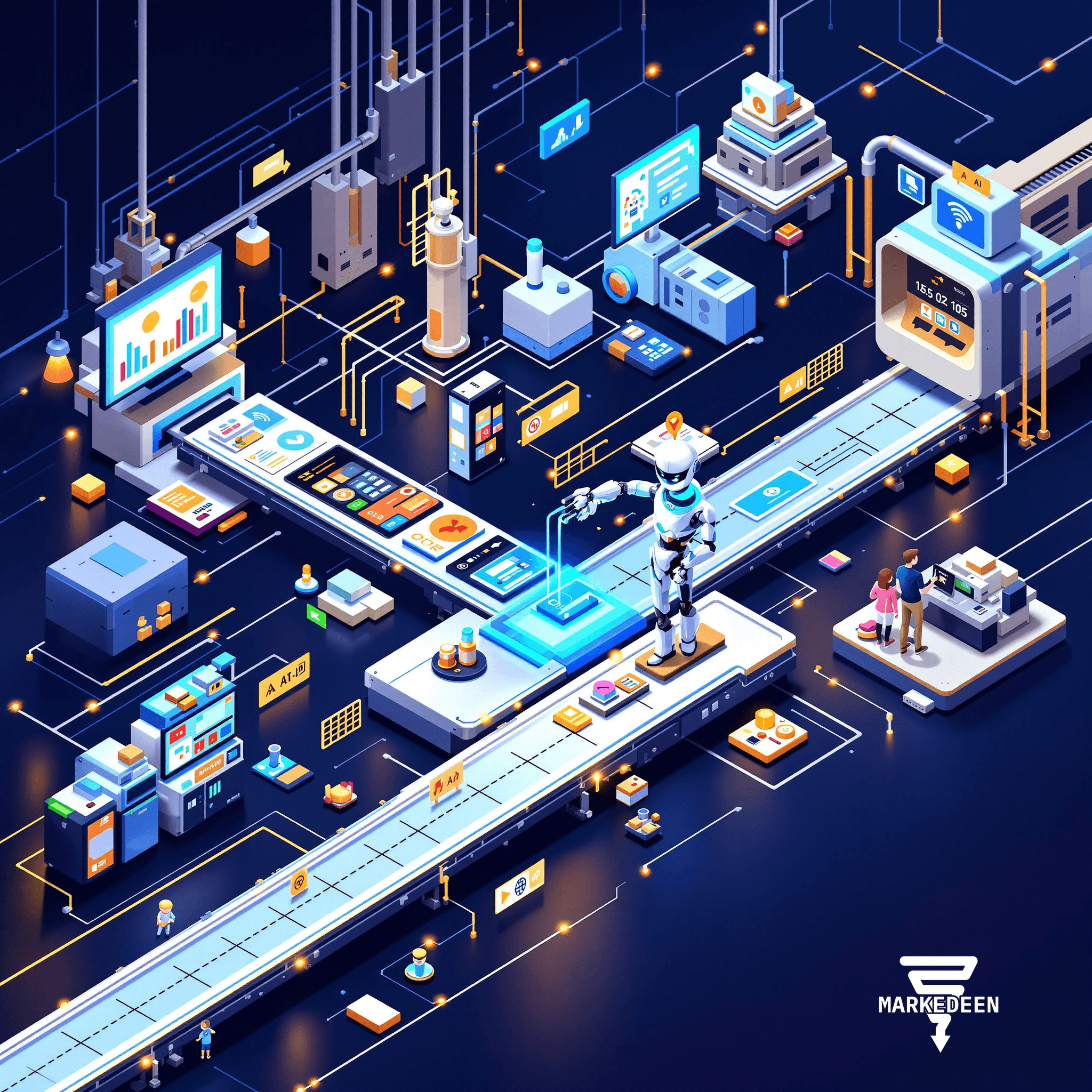
The way experienced users interact with AI is undergoing a fundamental change. Instead of prompting models one request at a time, they're writing loops, systems that define an objective, measure their own output, and iterate until they meet a threshold. This shift, from "ask the AI to write an email" to "build a system that drafts, checks, and refines emails until they pass quality standards," unlocks entirely new capabilities for marketing automation. Traditional workflows required you to map every step. Agentic loops require you to define success conditions and let the system figure out the path.
What Is an Agentic Loop?
A loop has three parts. The objective is what you want the system to accomplish, generate five LinkedIn posts, score leads based on engagement, create A/B test variants. The metric is how the system evaluates its own output: does this post match our brand voice? Does this lead score align with campaign performance? The boundary is when the loop stops and asks for human input, after three iterations, or when confidence drops below a set threshold, or when it encounters an edge case it can't resolve.
Get those three right, and you stop supervising every turn. The loop asks, checks its own work against the metric, adjusts, and keeps going without you. This is the difference between traditional automation and agentic systems: instead of telling the system *how* to do something step-by-step, you tell it *what* you want and where the guardrails are.
Why This Changes Marketing Automation
For marketing systems, this is the unlock. Instead of building rigid workflows in tools like Zapier or Make (where you connect nodes, pass variables, handle errors manually, and hope nothing breaks when conditions change) you define outcomes and let the agent iterate toward that goal. "Generate five LinkedIn posts that match our tone and include a CTA" becomes a single instruction. The system drafts, evaluates against your brand voice, refines, and surfaces only the final versions.
The capability shift is from "automate known steps" to "automate toward outcomes." That enables use cases traditional automation couldn't handle: content generation that refines itself without you reading every draft, lead scoring that adapts as campaign performance shifts, A/B test creation that learns from prior results and adjusts creative direction accordingly.
A Practical Example: Content Generation in Apify + Claude
Apify's integration with Anthropic's Claude demonstrates this shift in action. According to Apify's June 2026 update, their AI Web Scraper now includes an "Agentic" extraction mode. Point the tool at a website, describe what you want in plain language, and the agent reads the site map, picks relevant pages, and returns structured data, no selectors that break when layouts change.
Combine this with Claude's workspace agents and you get a loop: the scraper gathers competitor content, Claude drafts posts based on brand guidelines you've uploaded, checks each against your tone rubric, iterates until the output meets your threshold, and surfaces only the final drafts. You define success ("matches our voice, includes CTA, references competitor insight"), set a boundary ("stop after three iterations or if confidence drops below 80%"), and let the system run.
The result: what used to require manual research, drafting, and multiple review cycles now happens in minutes, with human input only at the decision gates you specify.
Where Loops Break Down (and Where Humans Stay)
This isn't magic. Loops work when the task has clear, measurable success criteria. If the metric is vague ("make it sound good") or the objective is ambiguous ("improve engagement"), the system will drift or stall.
The boundary is where judgment lives. Agentic loops excel at iteration within defined constraints, draft ten subject lines, test them against open-rate patterns, rank by predicted performance. They struggle when the next step requires context the loop doesn't have: "Should we shift messaging based on this competitor launch?" or "Is this creative too risky for this audience?" Those decisions still need a human, at least for now.
What This Means for How You Build
If you've been building marketing workflows in traditional automation platforms, the mental model shift is significant. You're no longer designing a flowchart. You're designing a feedback system: what does success look like? How will the agent know when it's done? What should it do when it's uncertain?
That requires a different kind of clarity. Instead of "connect this API to that node," you're specifying: "Generate content that matches these brand guidelines, scores above this threshold on tone analysis, and includes these required elements." The system figures out the sequence. You define the destination and the checkpoints.
---
This isn't a distant future. The gap between those who adapt and those who don't is widening quickly. If your marketing automation still requires you to map every step manually, it might be time to start thinking in loops instead.
More on Marketing
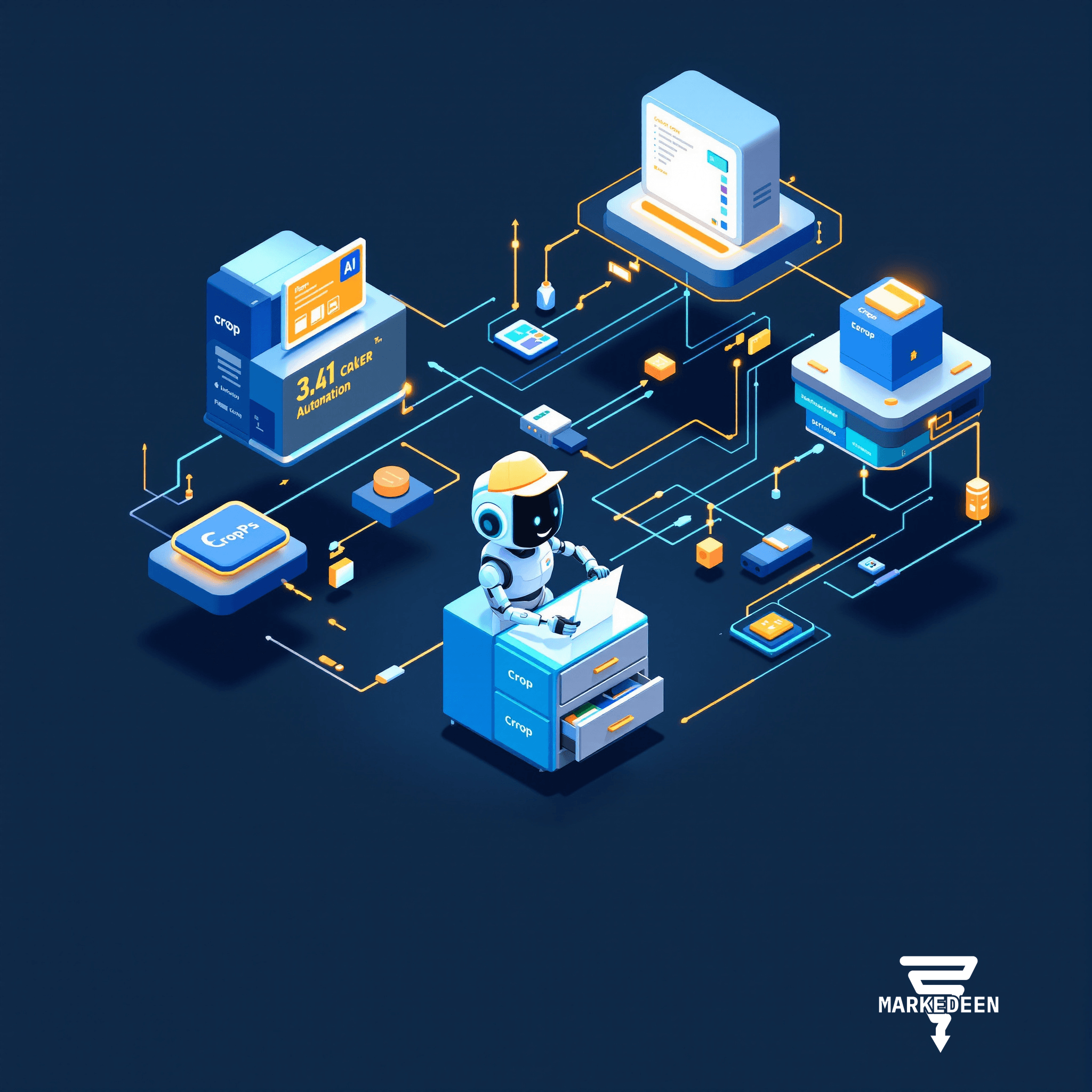


Want a system like this in your business?
We build the automation behind everything you just read.